

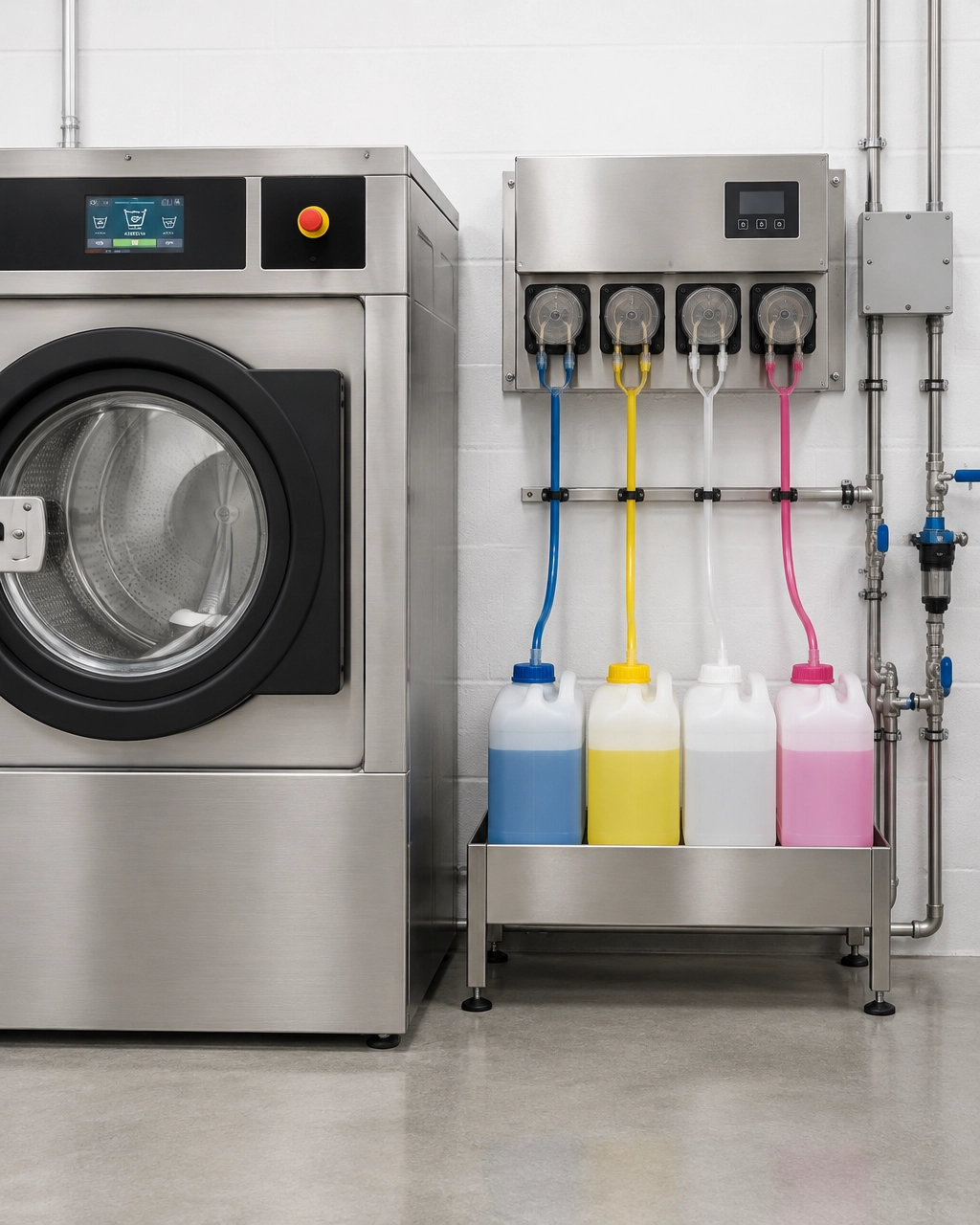
In today’s competitive market, on-premise laundries must control operating costs while delivering clean, presentable linen on schedule. Chemical spend is one place to look for savings, but reducing doses without understanding the wash process can lead to stains, rewashes, residue, and avoidable linen wear.
Effective chemical optimization is not simply about using less product. It is about delivering the right chemistry, in the right amount, at the right point in the wash formula. For hotels, hospitals, banquet halls, and commercial laundries, a measured approach can help reduce chemical costs while protecting linen quality and operational consistency.
Before changing a formula, establish how the laundry currently operates. Build an inventory of the products in use and record the formula, washer, load type, typical load weight, and programmed dose for each. Compare the programmed amount with actual chemical consumption, using product inventory or calibrated dispensing data where available.
Review results alongside usage. Useful measures include:
Segmenting this information by washer, shift, and linen type can reveal variation that a site-wide average conceals. A formula used for heavily soiled kitchen linens may not be appropriate for lightly soiled guest sheets. Sorting laundry by fabric and soil level helps match the wash process to the work instead of treating every load as a worst-case load.
The U.S.
Chemical guide to institutional laundry
describes how time, temperature, mechanical action, product concentration, water quality, equipment, and soil all influence results. Those factors should be considered together when reviewing an OPL, not as isolated settings.
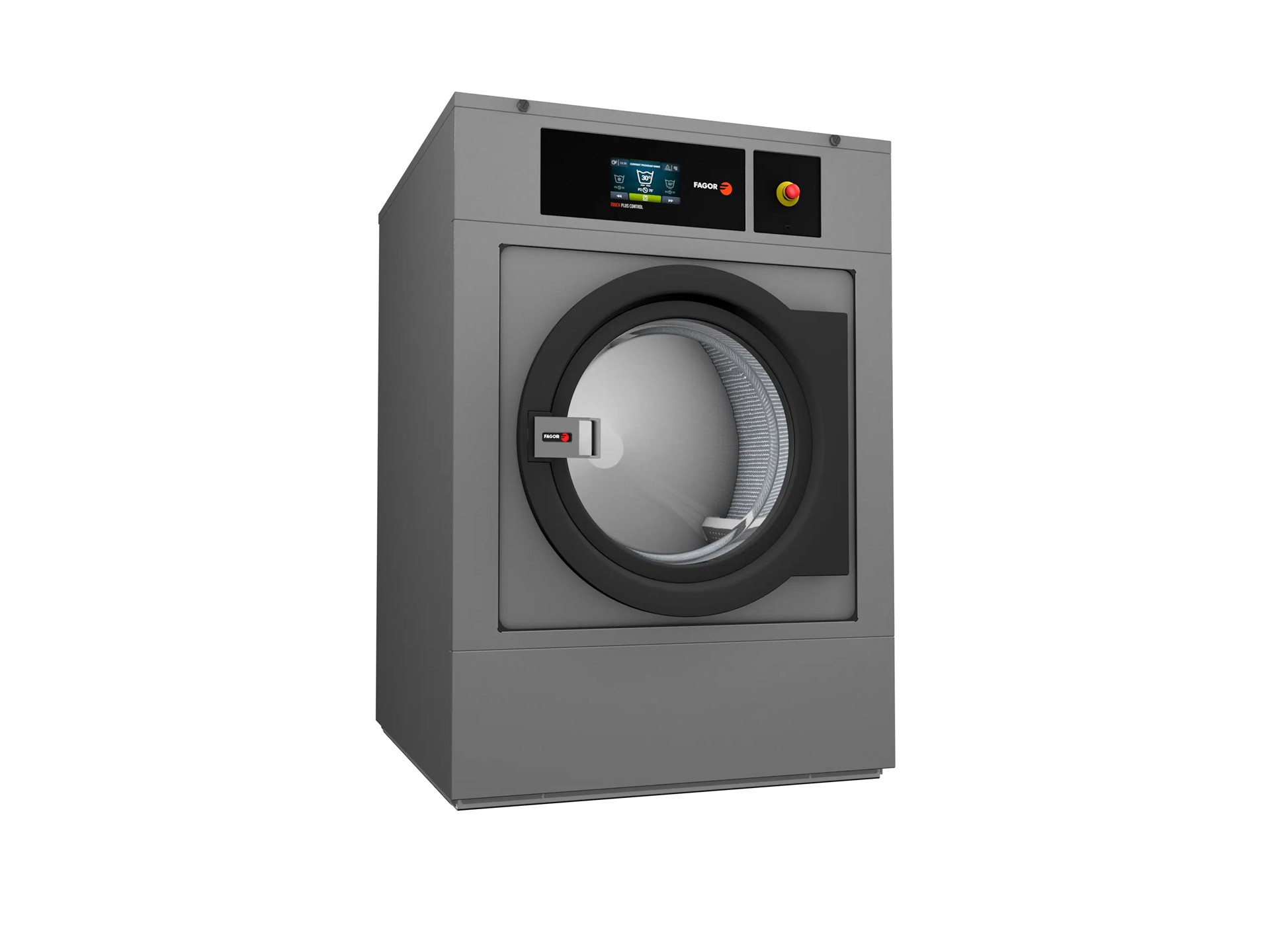
Overdosing may seem like a way to ensure that linen comes out clean, but excess chemistry does not guarantee better results. It adds unnecessary product cost and can contribute to residue, difficult rinsing, fabric damage, or irritation from improperly rinsed textiles. Excess softener can also affect absorbency. An important concern for towels and some healthcare textiles.
Underdosing creates a different set of costs. Insufficient chemistry for the soil, water conditions, load, or wash formula can leave soils behind, dull whites, or produce odor and stains. The resulting rewash consumes more chemicals, water, energy, labor, and machine time. It can also delay linen returning to service.
Neither problem should be corrected by making a blanket dose change. If results are poor, first check other causes: Was the load weighed and loaded appropriately? Is the washer reaching the intended water level and temperature? Are the correct products being injected at the right point in the formula? Is hard water affecting cleaning performance? A controlled trial, changing one variable at a time and checking linen quality, gives a clearer answer than increasing every product at once.